The work of memory
Elpenor's Burial Plea in Odyssey Book 11
The short answer
In the Underworld, Elpenor asks Odysseus to return to Circe's island, burn his body and armor, raise a burial mound, and plant the oar he used while alive on top. The request restores the rites, name, and social memory denied by his accidental death. Odysseus promises to do it and fulfills that promise in Book 12.
The dead make the return legible.
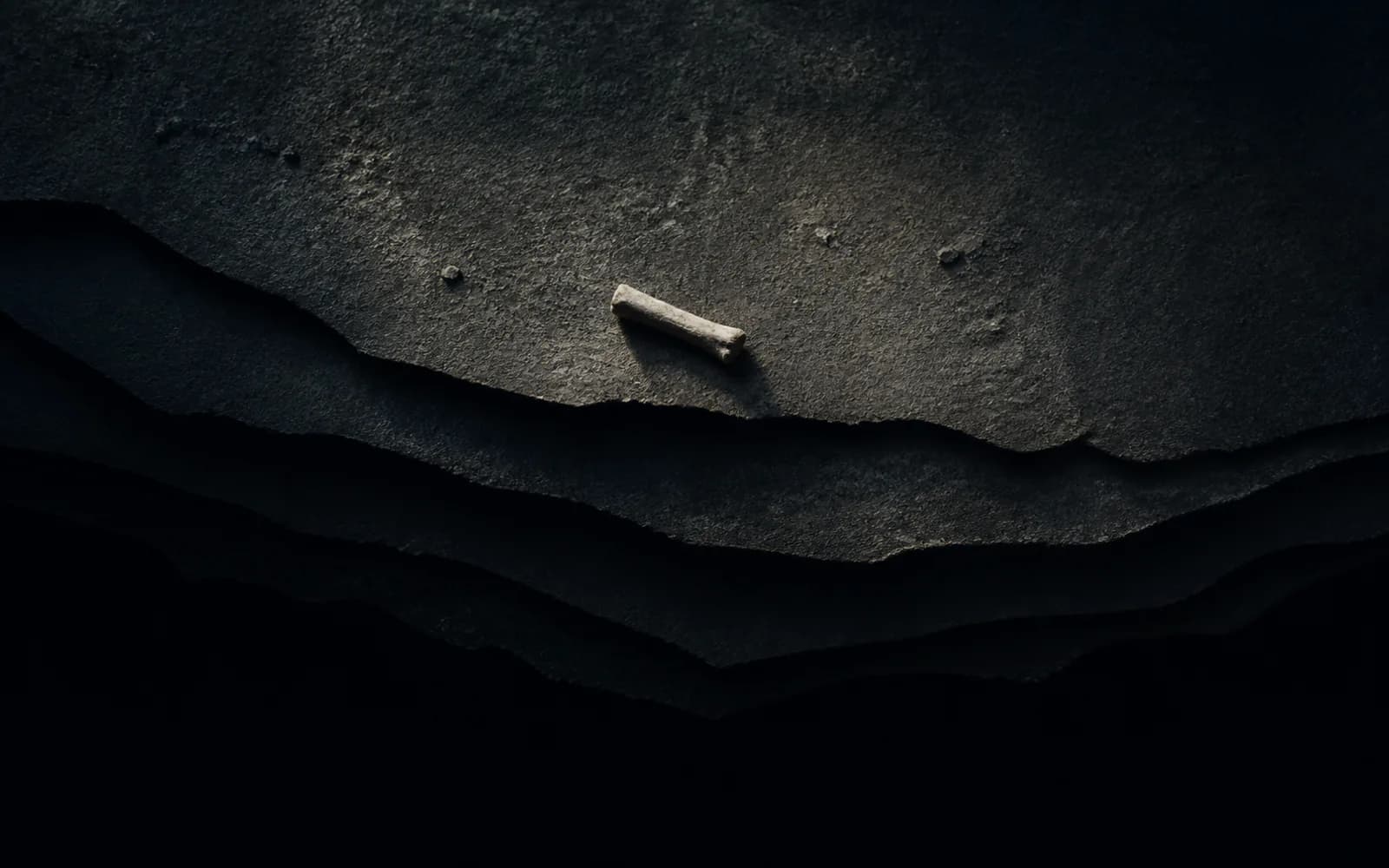
Absence, reflection, and a narrow field of light turn the underworld into the place where loss finally speaks.
Updated August 1, 2026
Four things to hold onto
- Elpenor appears before the famous prophetic encounter with Tiresias.
- His request combines cremation, burial, public memory, and a personal marker.
- The planted oar remembers him through the ordinary work of a sailor.
- Odysseus proves his reliability by completing the burial in Book 12.
Elpenor asks for more than the disposal of a body. He asks Odysseus to restore the relationship between a dead man, his companions, and the world that will remember him.
The request is striking because Elpenor is not a celebrated warrior. His death is accidental and undignified. Yet Book 11 lets his unmet obligation speak before kings, heroes, and the prophet Odysseus came to consult.
Why Elpenor appears first
Odysseus reaches the land of the dead to question Tiresias about the journey home. Before that planned encounter, he sees Elpenor, whose death the crew has not yet discovered or properly acknowledged.
Elpenor had fallen from the roof at Circe's house after waking in confusion. The expedition then departed for the Underworld, leaving his body unburied on Aeaea.
The order matters. Odysseus wants information about his future, but the first shade presents unfinished business from his immediate past. The poem interrupts prophecy with responsibility.
The broader Book 11 summary shows how this small encounter opens a much larger sequence of memory, grief, and testimony.
The plea names four concrete duties
Elpenor asks Odysseus not to abandon him when the crew returns to Circe's island. His instructions are practical: burn the body with its armor, gather the remains, raise a mound by the sea, and place his oar on top.
These details prevent the scene from becoming a vague expression of sorrow. Grief must become action.
The body must be treated, the community must do the work, and the place must receive a visible marker. Elpenor wants future passersby to know that someone lies there. Burial turns an unnoticed accident into a recognized death.
Our Elpenor character guide follows his whole role in the poem. This passage has a narrower focus: the exact form of the obligation he places on the living.
Why the oar matters
Elpenor does not ask for the armor of a great champion or a monument to heroic victory. He asks for the oar he handled as a member of the crew.
The object identifies him through labor and belonging. An oar is ordinary aboard a ship, but planted upright on a grave it can no longer propel anyone across the sea. Its function changes from movement to memory.
That change gives the memorial unusual precision. Elpenor's life was tied to the voyage even though he was not one of its famous decision-makers. The oar records his place within a collective undertaking.
It also prevents the crew's story from being reduced to Odysseus alone. Homecoming has a human cost, and some of the people who pay it leave little narrative behind. The grave marker insists that one such life receive a name and a sign.
Burial restores social recognition
Elpenor can speak in the Underworld, but he cannot perform the rites he needs. The dead depend on the living to complete the transition that death has begun.
That dependence makes the plea ethical as well as supernatural. Odysseus has authority over the crew and therefore bears a duty toward a man who died under his command. He cannot undo the fall, but he can refuse abandonment.
The scene also complicates the poem's treatment of recognition. Elsewhere, a scar, a bed, or a remembered tree proves who someone is. Here the body is known, but the person has not yet been publicly placed among the dead.
Recognition means giving material form to that knowledge: fire, mound, marker, and shared work.
Odysseus answers with a promise
Odysseus does not debate whether Elpenor was important enough. He promises to carry out the request.
Book 12 then verifies the promise. After the crew returns to Aeaea, it performs the burial and raises the oar above the mound.
This follow-through matters for Odysseus's characterization. He is famous for persuasive speech and strategic concealment, so a promise should be judged by what happens next. In this case, words become completed ritual.
The return to Elpenor also gives the Underworld episode consequences in the world of the living. It is not a sealed vision that ends when Odysseus sails away. Knowledge acquired below creates obligations above.
Elpenor makes burial part of leadership
Elpenor's plea slows the heroic journey long enough to ask what a leader owes the least celebrated person in his company.
The burial restores dignity without pretending that the death was glorious. The mound makes the loss public. The oar remembers Elpenor through the work that joined him to the crew. Odysseus's return proves that listening to the dead must alter the conduct of the living.
That is why this brief exchange belongs near the center of the poem's memorable passages. Before Odysseus can learn how to reach home, he must agree to go back for someone who cannot.
Classics RediscoveredThe Odyssey Companion
We make the classics readable for modern adults. Independent and unofficial — every quotation is checkable by book number against Homer's text. Questions? hello@odysseycompanion.com
Continue the reading
This is one part of the route. Keep the complete edition together.
The Home Pack combines the designed Odyssey in PDF and EPUB with the map, notes, cards, essays, and book-by-book reading path.
See the complete edition · $19Questions people ask
Why is Elpenor not properly buried before Odysseus leaves?
He dies accidentally at Circe's house just as the crew is preparing to depart. In the urgency of the journey to the Underworld, his body is left behind.
Why does Elpenor ask for an oar on his grave?
The oar identifies the life he actually lived as one of Odysseus's sailors. It makes a common tool into a durable sign of personal memory.
Does Odysseus keep his promise to Elpenor?
Yes. After returning from the Underworld, Odysseus and the crew cremate and bury Elpenor, build the mound, and place the oar above it.
Keep reading
The Best Odyssey Quotes, With Context
The most resonant lines of Homer's Odyssey — the proem, Calypso, the Sirens, the bed, the orchard — each in Butler's text, cited by Book.
Read →
Who Is Elpenor in The Odyssey, and Why Does He Matter?
Elpenor's role in the Odyssey explained: his accidental death on Circe's roof makes burial duty the first claim Odysseus faces in the Underworld.
Read →
The Odyssey Book 11 Summary: The Underworld and Tiresias
Book 11 explained: Odysseus summons the dead, hears Tiresias's prophecy, meets his mother, and speaks with heroes and punished figures.
Read →
The Odyssey Book 12 Summary
A clear summary of Odyssey Book 12: Sirens, Scylla, Charybdis, the cattle of the Sun, and the loss of Odysseus' crew.
Read →