After victory
Which Homer Books Does the Film Invite You to Compare First?
The short answer
For the fastest useful comparison after the film, read Odyssey Books 9, 11, 19, 23, and 24. They expose five adaptation pressure points: Odysseus narrating himself, the Underworld, Penelope's controlled interview, the olive-tree bed recognition, and the political aftermath. This is an editorial reading route based on post-release comparisons, not a claim that every difference is an error.
Troy leaves a fracture in every homecoming.
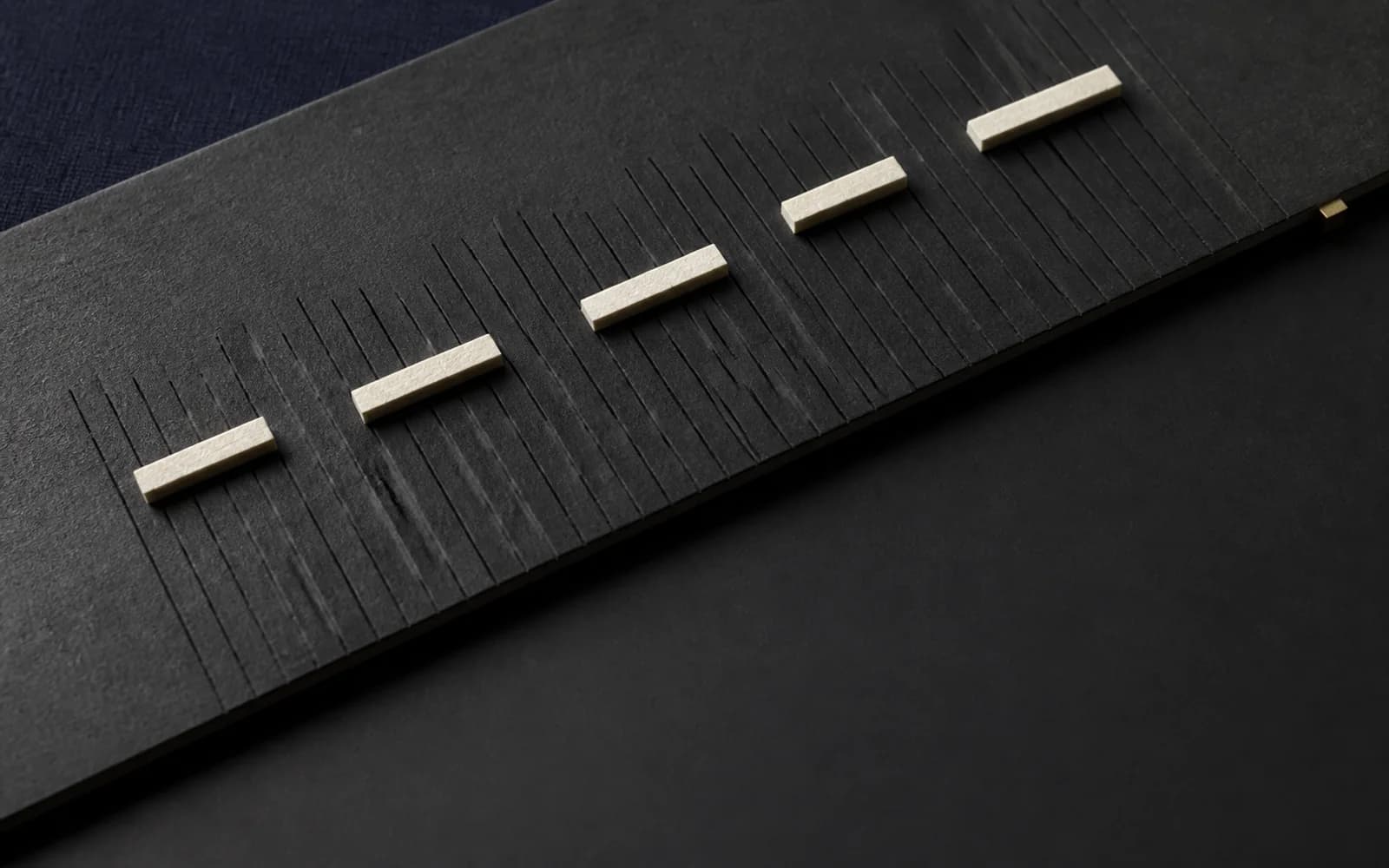
Broken geometry and scorched material hold the truth the adventure can obscure: the journey begins in the aftermath of war.
Updated August 1, 2026
Four things to hold onto
- Book 9 reveals that the famous voyage is Odysseus's own performance.
- Book 11 makes memory and obligation central to the Underworld.
- Book 19 shows recognition as delayed testing, not instant reunion.
- Books 23-24 separate marital recognition from public settlement.
Complete digital edition
Read the whole poem without losing the route.
Designed PDF and EPUB, book-by-book guidance, 120+ notes, five essays, the journey map, and character cards in one download.
Read Books 9, 11, 19, 23, and 24 first if you want the smallest set that reveals the largest structural differences between Homer's poem and a feature film.
This list is not a fidelity scorecard. Post-release sources document changes, omissions, and inventions; the order below is our editorial interpretation of where comparison teaches the most about adaptation as a craft.
Book 9: compare the adventure with the storyteller
Book 9 begins the wanderings most audiences think of as the Odyssey. The crucial fact is that Odysseus tells them himself at the Phaeacian court.
That frame changes the Cyclops episode. Odysseus is doing more than clever things while an invisible narrator reports them. He is selecting details, assigning motives, and presenting the consequences of his own choices to hosts whose help he needs.
A film can show the event directly while still preserving some subjectivity through performance, editing, or framing. Yet direct images tend to feel evidentiary. Reading Book 9 restores the question: how does Odysseus want this audience to understand him?
Compare actions and responsibility together. Notice where he emphasizes necessity, intelligence, loss, and the crew's conduct.
Book 11: compare spectacle with unfinished obligation
The Underworld invites visual scale, but Homer's Book 11 is organized by speech and recognition.
Elpenor appears before celebrated heroic figures because an unburied crew member creates an immediate obligation. Tiresias turns the dead into a source of future instruction. Anticleia turns the voyage toward private grief. Agamemnon and Achilles complicate the meaning of heroic return.
Post-release scholarly comparisons repeatedly treat Book 11 as an important point of compression and reinterpretation. The exact film inventory belongs to accountable reporting. The interpretive lesson is broader: Homer makes the Underworld a sequence of claims the living cannot safely ignore.
Read our Underworld essay after the primary text if you want to follow the memory structure beyond identifying the shades.
Book 19: compare recognition with controlled uncertainty
Book 19 contains Penelope's long interview with the disguised Odysseus and Eurycleia's discovery of the scar.
The scene resists the efficient logic of a reunion. Penelope listens, tests, delays, and protects herself inside a house where false reports and opportunistic men have accumulated for years.
Meanwhile, the scar gives recognition a bodily archive. Odysseus can invent stories about his name, but the wound belongs to a past that another person remembers.
A film has to decide how much the audience can read in a face before a character speaks. Homer can sustain ambiguity through layered stories and delayed confirmation. Compare how long uncertainty lasts and what it makes each character do.
Book 23: compare reunion with the bed test
Penelope does not accept Odysseus simply because others identify him or because he has prevailed in the hall.
She orders a test involving their bed. Odysseus's response reveals knowledge of its construction around a living olive tree. The object binds marriage, house, craft, rootedness, and shared memory.
This is one of the poem's clearest arguments that identity is relational. Odysseus is not recognized by a public reputation. He is recognized through knowledge created inside a particular marriage.
The olive-tree bed guide follows the object's construction and meaning.
Book 24: compare an ending with an aftermath
Book 24 refuses to let the poem finish at private reunion.
The suitors reach the Underworld. Odysseus visits Laertes and tests another recognition. The suitors' families mobilize. Athena and Zeus intervene to stop continuing violence.
The book asks what victory does to a community. Killing the men inside the house may restore one household's authority, but it creates grief and political danger outside it.
Any feature film must choose where emotional completion lies. Reading Book 24 makes that choice visible. The question is not whether a film "forgot" an appendix. It is whether its ending treats return as private recognition, revenge, public peace, exile, or some combination.
How to compare without flattening either work
For each book, make three columns:
- Homeric observation: what the primary text actually presents.
- Screen observation: what the released scene actually presents.
- Interpretation: what the difference changes in emphasis.
Do not place interpretation in the observation columns. This prevents a remembered impression from becoming an invented fact.
Start with these five books, then expand according to the question they create. If Book 19 changes your view of Penelope, read Books 1-4 and 17-20. If Book 11 changes the voyage, read Books 10-12 as one continuous movement.
Classics RediscoveredThe Odyssey Companion
We make the classics readable for modern adults. Independent and unofficial — every quotation is checkable by book number against Homer's text. Questions? hello@odysseycompanion.com
Questions people ask
Which Odyssey book should I read first after the movie?
Read Book 9 if you want an immediate comparison of Odysseus as storyteller. Read Book 23 first if the ending and Penelope's response are your main questions.
Does this list contain every film change?
No. It is a reading priority, not an exhaustive change inventory. Post-release reporting should be consulted for documented scene-level differences.
Should adaptation changes be treated as mistakes?
Not automatically. Film and epic organize time differently. The productive question is what a change gains, what it loses, and which theme it redistributes.
Keep reading
What to Read After The Odyssey (Film or Poem)
What to read after The Odyssey, film or poem: the poem itself, the Iliad, Wilson and Fagles, Circe and The Penelopiad, then Virgil's Aeneid — in an honest order.
Read →
What Nolan Changed in The Odyssey
What Nolan actually changed in The Odyssey, checked after the premiere: the cut Telemachy, the kept flashback weave, the pin, and the exile ending Homer never wrote.
Read →
Which Homer Books Add Context Beyond the Film?
Five parts of Homer's Odyssey that deepen Telemachus, hospitality, storytelling, recognition, and the aftermath beyond a feature-film frame.
Read →
From Nolan's Film to Homer: The Best Reading Order
A post-film Odyssey reading order that begins with recognition and consequence, then restores Homer's opening, chronology, and complete design.
Read →